

Table of Contents
- Introduction
- Featured Definition: What Is Lawn and Garden Care?
- Why Lawn and Garden Care Matters in New Zealand
- Understanding New Zealand Lawn Conditions
- Seasonal Lawn and Garden Care Calendar
- Mowing, Edging, and Lawn Health Basics
- Garden Bed Care, Weeding, and Mulching
- Native Plants and Biodiversity in New Zealand Gardens
- Watering, Drainage, and Drought-Smart Care
- Pest Plants, Biosecurity, and Responsible Disposal
- DIY vs Professional Lawn and Garden Care
- Numbered Lawn and Garden Care Checklist
- Common Mistakes to Avoid
- People Also Ask
- Expert Q&A Section
- Conclusion
Introduction
Lawn and Garden Care is more than keeping grass short and garden beds tidy. For New Zealand homeowners, landlords, tenants, and small businesses, it supports kerb appeal, outdoor comfort, safer access, healthier plants, and better long-term property presentation. From my experience planning outdoor maintenance content for local service businesses, the best results come from simple routines done consistently, not from one-off clean-ups after the garden has become overgrown.
New Zealand’s climate varies widely. Auckland’s humid conditions, Wellington’s wind, Canterbury’s dry summers, and Otago’s frosts all affect how lawns and gardens respond to mowing, watering, fertilising, and pruning. Therefore, a practical plan should suit the property, soil, season, plant type, and available time.
This guide explains how to approach Lawn and Garden Care in New Zealand using clear, non-technical language. It covers mowing, garden maintenance, weeds, watering, native planting, pest plant awareness, seasonal care, and when to call a professional.
What Is Lawn and Garden Care?
Lawn and Garden Care is the regular maintenance of grass, edges, soil, plants, weeds, garden beds, and outdoor green areas so they stay healthy, tidy, safe, and usable. In New Zealand, it often includes mowing, trimming, pruning, mulching, weed control, watering checks, green waste removal, and seasonal garden clean-ups.
Why Lawn and Garden Care Matters in New Zealand
Good Lawn and Garden Care helps a property look cared for. However, the benefits are not only visual. A regular care routine can reduce overgrowth, prevent weeds from taking over, improve drainage around garden beds, and make outdoor spaces easier to use.
For homeowners, tidy lawns and gardens make outdoor living more enjoyable. For rental properties, regular maintenance can help reduce disputes about neglected outdoor areas. For businesses, tidy grounds support a professional first impression.
In New Zealand, garden care also connects with wider environmental responsibilities. The Ministry for Primary Industries explains that biosecurity focuses on stopping harmful pests and diseases from entering New Zealand or managing those already here. Gardeners can support that goal by identifying pest plants, disposing of green waste responsibly, and avoiding the spread of invasive weeds. You can learn more through MPI’s guidance on biosecurity in New Zealand.
A well-maintained garden can also support local biodiversity. The New Zealand Plant Conservation Network says backyards offer a close opportunity to experiment with native plants and create a small piece of New Zealand wilderness at home. That is especially useful for people who want lower-maintenance gardens that suit local conditions. Their guide to gardening with native plants is a helpful starting point.
Understanding New Zealand Lawn Conditions
New Zealand lawns face different pressures depending on region, season, soil, and property layout. Therefore, Lawn and Garden Care should begin with observation.
A lawn in Auckland may grow quickly in warm, damp months. However, it may also struggle with fungal issues, moss, or compacted soil in shaded areas. In Canterbury, hot dry summers can stress lawns, especially where irrigation is limited. Meanwhile, Wellington properties may need more attention around wind exposure, salt spray near the coast, and plant selection.
Common lawn issues in New Zealand include:
- Uneven growth from shade, drainage, or soil compaction
- Moss in damp or shaded areas
- Broadleaf weeds in thin lawn patches
- Dry brown patches during summer
- Scalping from mowing too low
- Poor edges around paths and driveways
- Bare areas caused by pets, foot traffic, or poor soil
From my experience, many lawns decline because the maintenance routine does not match the season. For example, mowing too short during a dry spell can weaken the grass. Also, watering lightly every day can encourage shallow roots. Instead, healthy Lawn and Garden Care focuses on root strength, soil condition, and steady growth.
Seasonal Lawn and Garden Care Calendar
A seasonal approach makes maintenance easier. It also helps you avoid doing the right task at the wrong time.
| Season in New Zealand | Lawn Care Focus | Garden Care Focus | Why It Matters |
| Spring | Increase mowing frequency, feed lawn if needed, repair bare patches | Weed garden beds, prune selected plants, refresh mulch | Growth speeds up, so early control prevents larger problems |
| Summer | Raise mower height, water deeply when allowed, avoid stressing dry grass | Mulch, deadhead flowers, monitor water stress | Heat and dry conditions can weaken plants and lawns |
| Autumn | Aerate compacted areas, overseed where suitable, tidy edges | Plant suitable shrubs, remove spent annuals, compost healthy green waste | Cooler soil and moisture support recovery |
| Winter | Mow less often, avoid mowing wet grass, manage moss | Prune suitable dormant plants, clear paths, check drainage | Growth slows, but damp conditions can create safety and disease issues |
Seasonal timing will vary by region. However, the principle stays the same: work with the growing cycle, not against it.
Mowing, Edging, and Lawn Health Basics
Mowing is one of the most visible parts of Lawn and Garden Care. Yet it is also one of the easiest tasks to get wrong. A good mow should remove enough growth to keep the lawn tidy without cutting so low that the grass becomes stressed.
How Often Should You Mow?
During active growth, many New Zealand lawns need mowing every one to two weeks. However, in cooler months, mowing may drop to every three to six weeks depending on the region and grass type.
As a practical rule, avoid removing more than one-third of the grass blade at once. This helps reduce stress and supports stronger regrowth. If the lawn has become overgrown, bring it down gradually over two or three cuts rather than scalping it in one session.
Why Mower Height Matters
Cutting too low may look neat for a few days. However, it can expose soil, increase weed pressure, and reduce the lawn’s ability to handle heat. A slightly higher cut often looks greener for longer because the grass shades the soil and protects the crown of the plant.
For general home lawns, a moderate mowing height is usually better than a very low cut. However, ornamental lawns, sports turf, and rough utility lawns may need different settings.
Edging Makes a Big Difference
Clean edges around paths, fences, garden beds, and driveways instantly improve presentation. In fact, from my experience, edging can make an average lawn look much more polished. It also helps prevent grass from creeping into garden beds.
A simple Lawn and Garden Care routine may include:
- Mowing the main lawn area
- Trimming tight corners
- Edging hard surfaces
- Blowing or sweeping paths
- Removing clippings from entrances and drains
What About Grass Clippings?
Short, dry clippings can often be left on the lawn because they break down and return organic matter. However, heavy clumps should be removed because they can smother grass and create wet patches. If weeds have gone to seed, collect the clippings and dispose of them carefully.
Garden Bed Care, Weeding, and Mulching
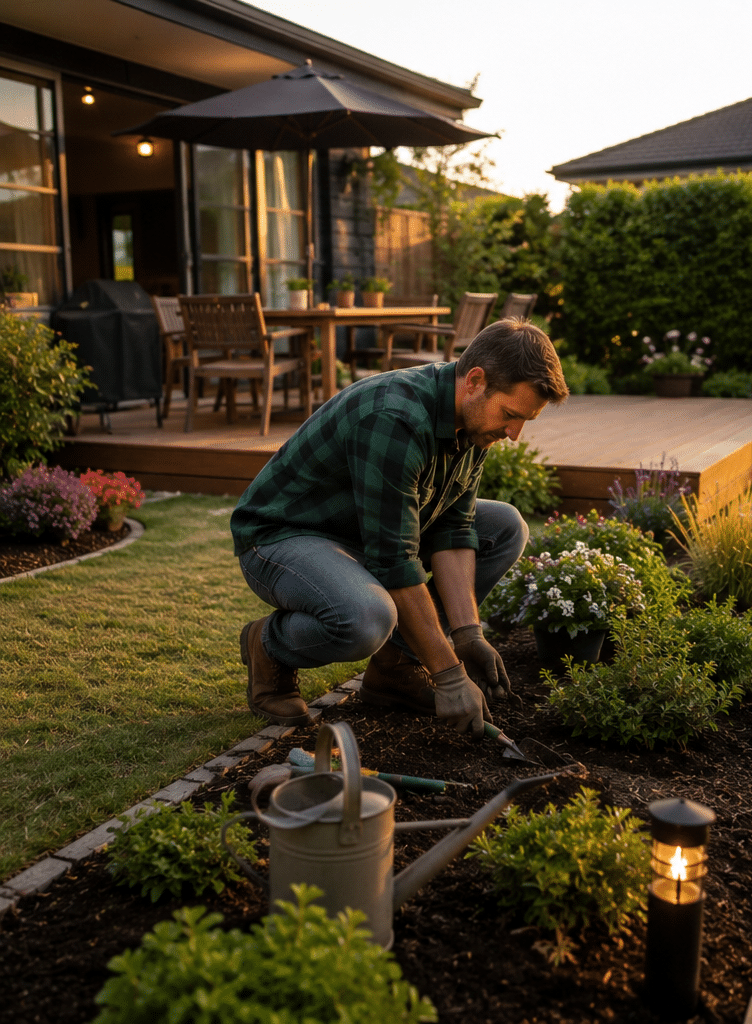
Garden beds need regular attention because weeds, dry soil, and crowded plants can quickly make a property look neglected. Good Lawn and Garden Care balances appearance with plant health.
Weed Control
Weeds compete with garden plants for water, nutrients, light, and space. Therefore, removing them early is easier than waiting until roots spread or seeds form.
For small gardens, hand weeding is often enough. Use a hand fork or weeding tool to remove roots where possible. For larger areas, mulch can reduce weed germination by blocking light from the soil surface.
Avoid relying only on sprays. While some products may be useful when used according to label instructions, they are not a complete care plan. In addition, spray drift can damage nearby plants, especially on windy days.
Mulching
Mulch is one of the most useful garden maintenance tools. It helps retain soil moisture, reduce weeds, moderate soil temperature, and improve the look of garden beds. Common mulch types in New Zealand include bark, wood chip, composted mulch, pea straw, and leaf mould.
However, mulch should not be piled against plant stems or tree trunks. This can trap moisture and encourage rot. Instead, leave a small gap around the base of plants.
Pruning and Trimming
Pruning removes dead, damaged, crowded, or unwanted growth. It can also shape plants and improve air movement. However, pruning timing depends on the plant. Some shrubs flower on old wood, while others flower on new growth. Therefore, heavy pruning should be planned carefully.
As a general maintenance rule:
- Remove dead or diseased branches when noticed
- Trim hedges before they become woody and uneven
- Avoid heavy pruning during extreme heat
- Use clean, sharp tools
- Dispose of diseased plant material carefully
Native Plants and Biodiversity in New Zealand Gardens
Native planting can make Lawn and Garden Care easier over time when plants are matched to the site. New Zealand natives such as flaxes, hebes, coprosma, pittosporum, grasses, and mānuka varieties can suit many home landscapes. However, the best choice depends on soil, sun, wind, frost, and available space.
Native plants can support birds, insects, and lizards. They can also create a more natural garden style that fits Aotearoa’s landscape. According to the New Zealand Plant Conservation Network, backyard gardening can contribute to native plant conservation by creating small habitat spaces close to home.
That said, native gardens are not maintenance-free. They still need watering while establishing, weed control, formative pruning, and occasional mulching. However, once established, well-chosen native plants can often be more resilient than unsuitable exotic plants.
Practical Native Garden Tips
Choose plants based on conditions, not only looks. For example, coastal gardens may need salt-tolerant species. Frost-prone gardens need hardy plants. Shaded areas need species that can handle lower light.
Also, think about mature size. A plant that looks small at the nursery may become too large for a narrow path or driveway. Good Lawn and Garden Care includes planning for future growth.
Watering, Drainage, and Drought-Smart Care
Watering is not only about adding water. It is about helping roots grow deeper and making the best use of available moisture.
In many New Zealand regions, water use can become a concern during dry periods. Watercare explains that decisions about Auckland water restrictions consider factors such as dam storage, expected demand, short-term weather outlook, and the likelihood of needing restrictions again. Homeowners should always check local council or water supplier rules before using sprinklers or irrigation during dry periods. See Watercare’s page on Auckland water restrictions for an example of how restrictions are communicated.
Better Watering Habits
Deep, less frequent watering is usually better than light daily watering. This encourages roots to search deeper into the soil. However, newly planted gardens need more frequent watering until established.
Water early in the morning where possible. This reduces evaporation and gives foliage time to dry, which can lower disease risk. Also, direct water to the soil rather than leaves.
Drainage Matters Too
Too much water can be as damaging as too little. Poor drainage can cause moss, root rot, slippery paths, and weak lawn growth. Signs of drainage problems include puddles after rain, sour-smelling soil, mossy patches, or plants that yellow despite regular feeding.
Simple improvements may include:
- Aerating compacted lawns
- Adding organic matter to garden beds
- Redirecting downpipes where appropriate
- Keeping drains clear of leaves and clippings
- Choosing plants that suit damp areas
For major drainage issues, seek professional advice because earthworks and stormwater changes may involve council requirements.
Pest Plants, Biosecurity, and Responsible Disposal
Some weeds are more than a garden nuisance. In New Zealand, invasive pest plants can spread from home gardens into reserves, waterways, farms, and native bush.
The Department of Conservation warns that weeds such as old man’s beard and tradescantia can smother forests, crowd out native plants, and spread into wild places. It also notes that weeds now outnumber native plant species in New Zealand. This makes responsible weed management an important part of Lawn and Garden Care.
MPI’s National Pest Plant Accord helps prevent the sale, distribution, and propagation of highly damaging pest plants in New Zealand. For home gardeners, this means it is wise to check whether a plant is invasive before planting, sharing, dumping, or composting it.
Responsible Green Waste Handling
Do not dump garden waste in parks, roadside areas, reserves, streams, or vacant land. Even small pieces of some plants can regrow. Instead, use council green waste services, approved transfer stations, or home composting for suitable non-invasive material.
Do not compost diseased plants, seeding weeds, or invasive plant fragments unless you are certain your composting method can safely break them down. When unsure, place them in the correct waste stream according to local council guidance.
Admin and Compliance Note
This article gives general maintenance information, not legal advice. Local rules for green waste, water use, protected trees, boundary vegetation, and council services can vary. Treat these as administrative tasks to check with your local council or a licensed professional where needed.
DIY vs Professional Lawn and Garden Care
Many people can handle basic Lawn and Garden Care themselves. However, professional support can save time, improve consistency, and help with larger jobs.
| Option | Best For | Advantages | Limitations |
| DIY Lawn and Garden Care | Small lawns, light weeding, simple gardens | Lower direct cost, flexible timing, personal control | Requires tools, time, knowledge, and disposal planning |
| Professional Lawn and Garden Care | Busy households, rentals, large properties, overgrown gardens | Consistent results, efficient equipment, better finish | Ongoing cost and need to schedule visits |
| Hybrid Approach | People who enjoy gardening but need help with heavy tasks | Balance of control and support | Still requires planning and communication |
A professional may be especially useful for:
- Overgrown lawns
- Rental property maintenance
- Pre-sale garden clean-ups
- Hedge trimming
- Green waste removal
- Regular mowing schedules
- Elderly or time-poor homeowners
- Businesses needing tidy outdoor presentation
For reliable local support, explore professional lawn and garden care services in New Zealand from Yunisa.
Numbered Lawn and Garden Care Checklist
Use this checklist as a practical starting point for a New Zealand property.
- Inspect the whole outdoor area
Walk around the lawn, garden beds, paths, fence lines, and entrances. Note weeds, long grass, damaged plants, pests, wet areas, and safety hazards. - Set the mowing height correctly
Avoid cutting too low. Raise the mower during dry or hot weather to reduce stress on the lawn. - Mow in dry conditions where possible
Wet mowing can leave clumps, tear grass, and create an uneven finish. If you must mow damp grass, go slowly and clean the mower afterwards. - Trim edges and tight spots
Use a line trimmer around fences, garden borders, letterboxes, trees, and paths. This gives the lawn a tidy, finished look. - Remove obvious weeds early
Pull weeds before they flower or seed. Pay close attention to garden beds, cracks in paving, and fence lines. - Refresh mulch where needed
Add mulch to garden beds to reduce moisture loss and suppress weeds. Keep mulch away from plant stems. - Check soil moisture before watering
Push a finger or small trowel into the soil. If the top layer is dry but deeper soil is moist, wait before watering again. - Look for drainage problems
After rain, check for puddles, slippery moss, or waterlogged beds. Address small issues early before they damage plants. - Prune carefully
Remove dead or damaged growth first. Avoid heavy pruning unless you know the plant’s growth habit and flowering cycle. - Dispose of green waste responsibly
Separate suitable compost material from weeds, diseased plants, and invasive species. Follow local council guidance. - Record recurring issues
If moss, weeds, dry patches, or pests keep returning, the cause may be soil, shade, drainage, mowing height, or plant selection. - Plan seasonal maintenance
Schedule bigger clean-ups in spring and autumn. During summer and winter, focus on stress reduction and safety.
Common Mistakes to Avoid
Cutting the Lawn Too Short
A short cut may feel efficient. However, it often weakens the lawn. Grass needs leaf area to photosynthesise, which is how it produces energy. When too much leaf is removed, roots may become weaker and weeds may move in.
Ignoring Soil Health
Lawn and Garden Care starts below the surface. Compacted soil limits air, water, and root movement. Poor soil also affects nutrient availability. Aeration, compost, mulch, and suitable planting can improve soil over time.
Watering Without Checking Conditions
Watering on a set schedule can waste water or create disease problems. Instead, check soil moisture, weather, plant stress, and local restrictions.
Letting Weeds Seed
One weed can become many. Therefore, early removal is one of the simplest ways to reduce future work. This matters even more for invasive weeds that can spread outside your property.
Planting the Wrong Plant in the Wrong Place
A sun-loving plant will struggle in deep shade. Likewise, a moisture-loving plant may fail in a dry exposed site. Good plant selection reduces maintenance.
Forgetting Safety
Long grass can hide uneven ground, debris, and pests. Overgrown hedges can block paths, driveways, and visibility. Therefore, Lawn and Garden Care also supports safer movement around the property.
People Also Ask
How often should lawns be mowed in New Zealand?
Most New Zealand lawns need mowing every one to two weeks during active spring and summer growth. However, during winter or dry periods, mowing can be less frequent because growth slows.
What is included in Lawn and Garden Care?
Lawn and Garden Care usually includes mowing, edging, trimming, weeding, pruning, mulching, watering checks, and green waste removal. Depending on the property, it may also include hedge care, seasonal clean-ups, and pest plant management.
Is it better to mow before or after rain?
It is usually better to mow before heavy rain or after the lawn has dried. Wet mowing can tear grass, leave clumps, clog equipment, and create an uneven finish.
How do I make my garden lower maintenance?
Choose plants that suit your local conditions, use mulch, group plants by water needs, control weeds early, and keep edges simple. Native plants can help when they are matched to the site.
Should I remove lawn clippings after mowing?
Short, dry clippings can often stay on the lawn because they break down naturally. However, remove thick clumps, wet clippings, and weed-filled clippings to avoid smothering the grass or spreading seeds.
Expert Q&A Section
1. What is the best Lawn and Garden Care routine for a busy New Zealand household?
A simple routine is best. Mow regularly during active growth, trim edges each visit, remove weeds before they seed, mulch garden beds twice a year, and do a larger tidy-up in spring and autumn. If time is limited, professional fortnightly or monthly maintenance can keep the property under control.
2. Why does my lawn look patchy even when I mow it often?
Patchiness is often caused by soil compaction, shade, poor drainage, pet damage, drought stress, or mowing too low. Mowing alone cannot fix these causes. First, identify the pattern, then improve soil, adjust mowing height, repair bare areas, or choose a more suitable groundcover for difficult spots.
3. How can Lawn and Garden Care support property value?
A tidy outdoor area improves first impressions and makes a property feel better maintained. While it does not guarantee a higher sale price, it can support presentation, photography, inspections, rental appeal, and buyer confidence. Consistent maintenance is usually more effective than a rushed clean-up before listing.
4. Are native gardens easier to maintain than traditional gardens?
They can be easier when the plants suit the site. However, native gardens still need care, especially while establishing. Weed control, watering, pruning, and mulching remain important. The advantage is that well-selected native plants often cope better with local conditions once established.
5. When should I hire a Lawn and Garden Care professional?
Hire a professional when the garden is overgrown, tools are limited, time is short, or the property needs a consistent finish. It is also sensible for rental properties, commercial sites, hedge trimming, large green waste jobs, and seasonal clean-ups that require efficient equipment.
Conclusion
Lawn and Garden Care in New Zealand works best when it is regular, seasonal, and suited to the local environment. A healthy lawn is not created by mowing alone. It depends on mowing height, soil condition, watering habits, weed control, drainage, plant choice, and responsible green waste handling.
Likewise, a tidy garden is easier to maintain when weeds are removed early, mulch protects the soil, plants are chosen for the site, and invasive species are managed carefully. New Zealand’s unique environment makes this even more important because home gardens can affect nearby reserves, waterways, and native habitats.
For most properties, the best approach is simple: mow at the right height, edge neatly, weed often, mulch well, water wisely, prune with care, and plan seasonal clean-ups before problems become expensive. And when the work becomes too time-consuming, professional help can keep your outdoor space tidy, practical, and welcoming year-round.
For dependable support with mowing, garden tidy-ups, and ongoing outdoor maintenance, visit Yunisa for professional lawn and garden care services in New Zealand.