

Garden Maintenance is more than keeping a lawn short or trimming a hedge when it gets untidy. In New Zealand, a well-maintained garden needs the right seasonal timing, good soil care, safe weed control, responsible green waste handling, and plant choices that suit local weather, property size, and lifestyle. From my experience working with outdoor service content for New Zealand homeowners, the best results come from small, regular tasks rather than rushed clean-ups after months of growth.
Table of Contents
- What Garden Maintenance Means
- Why Garden Maintenance Matters in New Zealand
- Core Garden Maintenance Tasks
- DIY vs Professional Garden Maintenance
- Seasonal Garden Maintenance in New Zealand
- Lawn, Hedge, Weed, and Soil Care
- Native Plants and Sustainable Garden Care
- Green Waste and Biosecurity Considerations
- Garden Maintenance Checklist
- People Also Ask
- Expert Q&A
- Conclusion
What Is Garden Maintenance?
Garden Maintenance is the regular care of lawns, plants, hedges, weeds, soil, paths, and green waste so an outdoor space stays safe, tidy, healthy, and usable. In New Zealand, it also includes seasonal timing, local plant care, biosecurity awareness, and responsible disposal of garden waste.
What Garden Maintenance Means
Garden maintenance is the ongoing care that keeps a garden functional and attractive. It can include lawn mowing, edging, pruning, hedge trimming, weeding, mulching, soil improvement, pest checks, leaf removal, planting support, and seasonal clean-ups.
However, it is not just about appearance. A tidy garden can reduce trip hazards, stop weeds from spreading, improve plant health, and protect outdoor areas from becoming overgrown. For rental properties, family homes, lifestyle sections, and small commercial sites, regular maintenance also helps prevent expensive restoration work later.
In New Zealand, gardens often grow quickly because many areas have mild temperatures, regular rainfall, and long growing seasons. Auckland, for example, can support strong plant growth across much of the year. Meanwhile, parts of Canterbury, Otago, and inland regions may need more attention to watering, frost protection, and wind exposure.
Therefore, the best garden maintenance plan is not one-size-fits-all. It should consider climate, soil, plant type, section size, access, green waste volume, and the owner’s expectations.
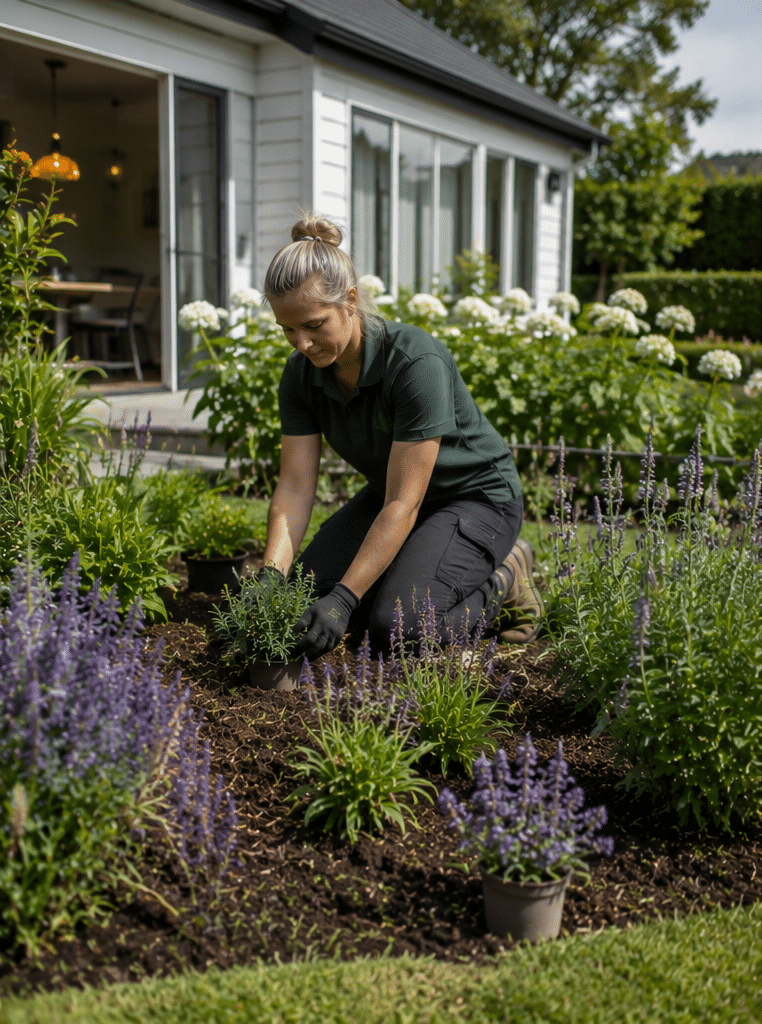
Why Garden Maintenance Matters in New Zealand
Garden Maintenance matters because New Zealand outdoor spaces often sit close to native ecosystems, waterways, coastal areas, and neighbouring properties. If weeds, pests, or diseased plant material are ignored, they can spread beyond the garden.
According to MPI’s gardening and biosecurity guidance, gardeners have a role in protecting New Zealand from pests, weeds, and diseases that can harm the economy, environment, and way of life. MPI also advises people to look out for unfamiliar pests or diseases while gardening.
The Department of Conservation also notes that weeds can damage native landscapes, alter soil conditions, use more water than native species, and provide shelter for pest animals. This is why routine weed control is not only a cosmetic task. It can also support healthier local environments.
From my experience, many homeowners delay maintenance because a garden still “looks fine”. However, small problems build quietly. A hedge becomes woody. Kikuyu or couch grass creeps into beds. Drainage gets blocked by leaves. Then a quick tidy turns into a full garden rescue.
Regular garden maintenance helps prevent that.
Core Garden Maintenance Tasks
A practical garden maintenance plan should cover the visible jobs and the hidden jobs. The visible jobs make the space look tidy. The hidden jobs support long-term plant health.
Lawn Mowing and Edging
Lawns need regular mowing during active growing periods. In many New Zealand regions, this means more frequent mowing in spring and summer, and less frequent mowing during cooler months.
Good mowing is not just about cutting grass low. In fact, cutting too short can stress the lawn, expose soil, and encourage weeds. A better approach is to remove a modest amount of height each time. This keeps the lawn greener and stronger.
Edging is also important. It creates clean lines along paths, driveways, garden beds, and fences. As a result, the whole property looks more cared for even when the planting is simple.
Weed Control
Weeds compete with garden plants for light, nutrients, space, and water. Some weeds spread through seeds. Others spread through roots, runners, bulbs, or dumped plant fragments.
For this reason, weed control should be consistent. Hand weeding can work well for small gardens. Mulching can reduce future weed growth. In larger areas, targeted treatment may be needed. However, any chemical use should follow the product label, local guidance, and safe application practices.
A good garden maintenance provider should also know the difference between a common garden weed and a pest plant that needs extra care during removal.
Pruning and Hedge Trimming
Pruning supports plant shape, airflow, flowering, fruiting, and safety. Hedge trimming keeps boundaries neat and prevents plants from blocking paths, windows, signs, or driveways.
However, poor pruning can harm plants. Cutting at the wrong time can reduce flowers. Removing too much growth can stress shrubs. Cutting into old wood can leave some hedges bare.
Therefore, pruning should be planned around plant type and season. For example, many flowering shrubs are best pruned after flowering, while some structural pruning is easier in winter when growth slows.
Mulching and Soil Care
Mulch is one of the simplest ways to improve a garden. It helps retain soil moisture, reduce weed growth, protect roots from temperature swings, and add organic matter as it breaks down.
Still, mulch needs to be applied correctly. It should sit over the soil, not piled against trunks or stems. When mulch is heaped against plants, it can trap moisture and encourage rot.
Soil care also matters. Many poor garden outcomes start below the surface. Compacted soil, poor drainage, low organic matter, and nutrient imbalance can all affect growth.
Green Waste Removal
Green waste includes grass clippings, leaves, branches, hedge trimmings, weeds, and plant offcuts. Some material can be composted at home. However, diseased plants, pest plants, or large woody waste may need separate handling.
In Auckland and many other areas, garden waste collection services, transfer stations, or specialist green waste providers may be used depending on volume and material type. This is an administrative and practical consideration, not legal advice. Local council and provider rules should be checked before disposal.
DIY vs Professional Garden Maintenance
Some people enjoy looking after their own gardens. Others prefer expert help because they lack time, tools, confidence, or physical capacity. Both options can work, but they suit different situations.
| Option | Best For | Advantages | Limitations |
| DIY garden maintenance | Small gardens, simple lawns, keen gardeners | Lower direct cost, flexible timing, personal control | Requires tools, time, green waste handling, and plant knowledge |
| Professional garden maintenance | Busy households, rental properties, larger sections, overgrown gardens | Consistent finish, efficient work, better equipment, expert judgement | Ongoing service cost and scheduling needed |
| Hybrid maintenance | Homeowners who do light tasks but outsource heavy jobs | Balanced cost, easier upkeep, less physical strain | Needs clear task split and timing |
| One-off clean-up | Overgrown gardens, pre-sale tidies, end-of-tenancy work | Fast transformation and waste removal support | Does not replace ongoing care |
Professional garden maintenance is often worthwhile when the work involves tall hedges, heavy pruning, large lawns, repeated weed control, steep sections, or large amounts of green waste.
For reliable local support, you can explore New Zealand lawn and garden care services from Yunisa.
Seasonal Garden Maintenance in New Zealand
New Zealand’s seasons shape how gardens grow. However, timing can vary by region. Auckland’s mild climate is different from Queenstown’s cold winters or Wellington’s wind exposure.
Spring Garden Maintenance
Spring is a strong growth period. Lawns grow faster, weeds germinate, and many plants need feeding, pruning, or shaping.
Important spring tasks include:
- Mowing lawns more regularly
- Feeding lawns and selected plants
- Removing weeds before they seed
- Refreshing mulch
- Planting suitable shrubs, herbs, and ornamentals
- Checking irrigation and drainage
- Pruning plants that flowered in winter or early spring
Spring is also a good time to inspect the whole garden. If beds are crowded, plants can be divided or moved. If paths are slippery after winter, they should be cleaned.
Summer Garden Maintenance
Summer maintenance focuses on moisture, heat stress, fast growth, and outdoor use. Lawns may need mowing, but cutting too short can increase stress during dry spells.
Key summer tasks include:
- Watering deeply where needed
- Mulching exposed beds
- Deadheading flowering plants
- Keeping edges tidy
- Trimming fast-growing hedges
- Watching for pests and disease
- Removing dry debris that creates mess or risk
During hot periods, it is better to water early in the morning or later in the day. Also, new plants need extra attention until roots establish.
Autumn Garden Maintenance
Autumn is a preparation season. Growth slows, leaves fall, and gardens benefit from cleaning, feeding, and planning before winter.
Useful autumn tasks include:
- Removing fallen leaves from paths and drains
- Composting suitable leaves and soft garden waste
- Trimming selected shrubs
- Lawn repair and overseeding where appropriate
- Clearing gutters and outdoor drains
- Preparing beds with compost or mulch
- Planting some trees and shrubs before winter
Autumn is also a good time to review what worked in summer. If a garden needed too much watering, drought-tolerant or native planting may be a better long-term choice.
Winter Garden Maintenance
Winter is quieter, but it is not a time to ignore the garden. Structural work, pruning, planning, and clean-up tasks can be easier when growth slows.
Winter tasks may include:
- Pruning deciduous trees and shrubs where suitable
- Removing dead or damaged branches
- Cleaning paths and hard surfaces
- Checking drainage
- Cutting back overgrown areas
- Planning spring planting
- Managing moss, leaf build-up, and slippery areas
In colder regions, frost protection may also be needed for sensitive plants.
Lawn, Hedge, Weed, and Soil Care
Garden Maintenance works best when each part of the garden is managed as part of a system. Lawn health affects weed pressure. Hedges affect shade. Soil affects plant strength. Watering affects root depth.
Lawn Care in Garden Maintenance
A healthy lawn is dense enough to resist weeds. Therefore, mowing height, feeding, watering, and soil condition all matter.
Common lawn issues in New Zealand include:
- Patchy growth from shade or compacted soil
- Moss in damp or shaded areas
- Broadleaf weeds
- Dry patches in summer
- Scalping from mowing too low
- Uneven edges around beds and paths
From my experience, the fastest way to improve a lawn’s appearance is consistent mowing and clean edging. However, the longest-lasting improvement comes from soil care, correct mowing height, and weed prevention.
Hedge Care in Garden Maintenance
Hedges need trimming before they become too woody or uneven. Light, regular shaping is often better than harsh cutting once or twice a year.
Good hedge maintenance includes:
- Keeping the base slightly wider than the top where practical
- Trimming before growth becomes heavy
- Checking for nesting birds before major cuts
- Removing dead sections
- Keeping hedges clear of driveways, windows, and paths
A professional approach is especially useful for tall hedges because safety, ladder use, and waste volume can become serious concerns.
Weed Management in Garden Maintenance
Weed control is most effective when it combines prevention and removal. Pulling weeds after they seed is less effective because the next generation is already in the soil.
A strong weed plan may include:
- Hand weeding small beds
- Mulching bare soil
- Removing roots where possible
- Cutting seed heads before they spread
- Using targeted control where appropriate
- Disposing of pest plants carefully
- Monitoring repeat growth
DOC’s weed information explains that invasive weeds can smother native plants and transform New Zealand landscapes. This makes early removal valuable, especially near bush, reserves, streams, or coastal areas.
Soil Care in Garden Maintenance
Soil is the foundation of garden performance. If soil is compacted, water and air cannot move well. If it is too dry, roots struggle. If it lacks organic matter, plants may grow weakly.
Simple soil improvements include compost, mulch, aeration for compacted lawns, and plant selection that suits the site. In many cases, choosing the right plant for the soil is better than trying to force the soil to suit the wrong plant.
Native Plants and Sustainable Garden Care
Native plants can be a smart choice in many New Zealand gardens. They can support local biodiversity, suit local conditions, and create a strong sense of place. However, native does not always mean maintenance-free. New plants still need watering, weed control, and protection while they establish.
The Department of Conservation recommends four broad steps for native garden planning: plan, prepare, plant, and protect. Its native garden planning guidance also encourages people to think about how plants will look when fully grown before planting.
The New Zealand Plant Conservation Network also notes that there is a wide selection of native plants that can be grown for different garden purposes. Its native gardening resources are useful for understanding plant choices and weed-wise gardening.
Good native garden maintenance includes:
- Keeping weeds away from young plants
- Mulching to retain moisture
- Watering during establishment
- Spacing plants for mature size
- Replacing failures early
- Avoiding unnecessary hard pruning
- Watching for browsing or pest damage
In urban gardens, natives can work well alongside lawns, fruit trees, ornamental beds, and outdoor living areas. The key is planning.
Green Waste and Biosecurity Considerations
Green waste is one of the most overlooked parts of garden maintenance. A garden may look tidy after pruning, but the job is not complete until waste is handled properly.
Some soft green waste can be composted. Grass clippings can sometimes be used in thin layers. Leaves can break down into useful organic matter. However, not all waste belongs in a home compost pile.
Be careful with:
- Seeding weeds
- Pest plants
- Diseased branches or leaves
- Invasive roots and bulbs
- Thick branches
- Flax, bamboo, or fibrous material that may not suit some collection services
- Soil-heavy waste
MPI explains that biosecurity focuses on stopping harmful pests and diseases from entering or spreading in New Zealand. For gardeners, this means staying alert, cleaning tools when needed, and reporting unusual pests or diseases through the right channels.
For practical garden maintenance, this does not mean every homeowner needs to become a biosecurity expert. Instead, it means using common sense. Do not dump garden waste in reserves, streams, roadsides, or empty land. Do not move suspicious diseased material without checking guidance. Also, avoid spreading soil, roots, or plant fragments from known pest plants.
Garden Maintenance Checklist
Use this numbered checklist when setting up a simple garden maintenance routine.
- Assess the garden layout
Walk through the property and note lawns, beds, hedges, trees, paths, drains, fences, and outdoor living areas. - Identify urgent safety issues
Look for slippery paths, sharp branches, blocked access, unstable trees, or hidden trip hazards. - Set the mowing schedule
Choose a mowing frequency based on season, grass growth, and the finish you want. - Plan weed control early
Remove weeds before they seed. Add mulch where soil is bare. - Check hedges and shrubs
Trim lightly and regularly instead of waiting for heavy overgrowth. - Improve soil and mulch beds
Add compost where suitable. Use mulch to protect soil and reduce weeds. - Manage green waste properly
Compost clean material where practical. Use approved collection or disposal for larger loads. - Watch for pests and diseases
Check leaves, stems, roots, and soil. Report unusual pests when official guidance recommends it. - Review the garden each season
Adjust maintenance for spring growth, summer dryness, autumn leaves, and winter pruning. - Decide what to outsource
Keep simple tasks in-house if you enjoy them. Hire help for heavy, regular, or specialist jobs.
Cost Factors for Garden Maintenance in New Zealand
Garden maintenance pricing varies because gardens vary. Any cost figure should be treated as an estimate unless a provider has inspected the property.
Common factors include:
- Lawn size
- Garden bed condition
- Hedge height and length
- Weed level
- Slope and access
- Amount of green waste
- Frequency of service
- Travel time
- Tools and equipment required
- Whether it is a one-off clean-up or recurring visit
A small, flat lawn with clear access is usually faster to maintain than a steep section with overgrown hedges and heavy waste. Similarly, regular maintenance usually costs less per visit than restoring a neglected garden because each visit is more predictable.
When comparing providers, ask what is included. For example, mowing may not include edging, spraying, pruning, or waste removal unless stated.
Common Garden Maintenance Mistakes
Even careful homeowners make mistakes. Fortunately, most are easy to avoid.
Cutting Grass Too Short
Very short grass can look tidy for a few days, but it may weaken the lawn. It can also expose soil and encourage weeds. A moderate cut is usually healthier.
Letting Weeds Seed
Once weeds seed, the problem multiplies. Therefore, early action is better than waiting for a major clean-up.
Pruning at the Wrong Time
Some plants flower on old wood. Others respond well to harder pruning. If timing is wrong, flowering can be reduced or plant shape can suffer.
Planting Without Planning
Plants grow. A shrub that looks small at the nursery may block a path in three years. Always consider mature height, spread, roots, and maintenance needs.
Ignoring Drainage
Poor drainage can damage lawns, paths, and plant roots. It can also create slippery areas. After heavy rain, check where water sits.
Dumping Garden Waste
Dumping garden waste can spread weeds and pests. It can also harm natural areas. Responsible disposal is part of good garden maintenance.
How Often Should Garden Maintenance Be Done?
The right frequency depends on the property and season. However, these general patterns help.
During spring and summer, lawns may need mowing every one to two weeks. Hedges may need shaping several times during active growth. Weeds should be checked often, especially after rain.
During autumn, leaf removal, bed clean-up, and lawn repair become more important. During winter, mowing slows, but pruning, path cleaning, and planning can continue.
For many homes, fortnightly garden maintenance works well during high-growth months. Monthly visits may suit lower-maintenance gardens. One-off clean-ups are useful before events, inspections, property photos, sale preparation, or tenancy changes.
Choosing a Garden Maintenance Provider
A good provider should offer more than labour. They should bring practical judgement.
Look for someone who:
- Understands New Zealand growing conditions
- Can explain what your garden needs and why
- Has suitable tools and safety practices
- Communicates clearly about scope and timing
- Handles green waste responsibly
- Can work around pets, children, tenants, or access limits
- Gives realistic advice without guaranteed outcomes
It also helps to share your priorities. Some homeowners want a neat, low-maintenance finish. Others want a lush garden with seasonal colour. Some need reliable rental upkeep. Others want help restoring an overgrown section.
Clear goals lead to better maintenance.
People Also Ask
What does Garden Maintenance include?
Garden Maintenance usually includes lawn mowing, edging, weeding, pruning, hedge trimming, leaf clearing, soil care, mulching, and green waste removal. The exact service depends on the property and the provider’s scope.
How often should I maintain my garden in New Zealand?
Most New Zealand gardens need more frequent care in spring and summer, then lighter maintenance in winter. For many homes, fortnightly visits during active growth and monthly care during slower periods can work well.
Is professional Garden Maintenance worth it?
Professional Garden Maintenance can be worth it if you are short on time, lack equipment, have a large section, or need consistent results. It is also useful for heavy pruning, hedge work, steep areas, and green waste management.
What is the best time to prune plants in New Zealand?
The best pruning time depends on the plant. Some plants are pruned after flowering, while others are better handled in winter. If unsure, identify the plant first and avoid heavy cutting during stress periods.
Can garden waste go in normal rubbish in New Zealand?
This depends on your local council and waste provider rules. Clean green waste is often better composted, mulched, or taken to an approved green waste service. Pest plants and diseased material may need special handling.
Expert Q&A
1. How can Garden Maintenance improve property value?
A tidy garden improves first impressions and makes outdoor areas easier to use. It can also reduce signs of neglect, such as overgrown lawns, blocked paths, damaged plants, and unmanaged weeds. While it does not guarantee a higher sale price, it can support stronger presentation.
2. What is the most important Garden Maintenance task for busy homeowners?
Consistency is the most important factor. If you only have time for one routine, focus on mowing, edging, and weed prevention. These tasks keep the property looking controlled and prevent bigger problems from building.
3. How do I make my garden lower maintenance?
Choose plants that suit your climate, soil, sun, shade, and available space. Use mulch, reduce bare soil, group plants by water needs, and avoid high-maintenance hedges if you do not want frequent trimming. Native and drought-tolerant plants may help when chosen well.
4. Why do weeds keep coming back after removal?
Weeds return because seeds, roots, runners, bulbs, or fragments remain in the soil. Wind, birds, pets, shoes, and neighbouring properties can also bring new seeds. Regular control, mulch, and dense planting reduce repeat growth over time.
5. Should I book one-off or regular Garden Maintenance?
Book a one-off service if the garden is overgrown, you are preparing for an event, or you need a seasonal tidy. Choose regular Garden Maintenance if you want the property to stay consistently neat and avoid major clean-ups.
Conclusion
Garden Maintenance in New Zealand is about more than neat lawns and trimmed hedges. It supports plant health, safe outdoor access, responsible green waste handling, weed control, and better long-term property presentation.
The best results come from regular care, seasonal timing, and practical decisions. First, understand your site. Then, manage lawns, weeds, hedges, soil, and waste before they become bigger problems. Finally, choose support when the work becomes too time-heavy, too technical, or too physically demanding.
For homeowners who want dependable help with outdoor upkeep, New Zealand lawn and garden care services from Yunisa can help keep your garden tidy, healthy, and easier to enjoy year-round.