

Table of Contents
- Introduction
- Featured Definition: What Are Gardening Services?
- Why Gardening Services Matter in New Zealand
- What Gardening Services Usually Include
- Seasonal Gardening Services in New Zealand
- DIY Gardening vs Professional Gardening Services
- How to Choose the Right Gardening Services
- Numbered Checklist: How to Prepare for Your First Visit
- Native Plants, Weeds, Water Use, and Biosecurity
- Gardening Services for Different Property Types
- Costs, Quotes, and Value
- People Also Ask
- Expert Q&A
- Conclusion
Introduction
Gardening Services help New Zealand homeowners, landlords, property managers, and small businesses keep outdoor spaces tidy, safe, healthy, and easier to enjoy throughout the year. From my experience reviewing home-service content and customer needs, most people are not just looking for someone to “do the garden”. They want reliable advice, consistent care, fair pricing, and a garden that suits local weather, soil, lifestyle, and property goals.
In New Zealand, garden care is not one-size-fits-all. A coastal Auckland section, a Wellington hillside, a Christchurch suburban lawn, and a rural lifestyle block can all need different maintenance plans. However, the principles are similar. Good gardening means understanding plant growth, drainage, pruning cycles, weed control, mowing height, green waste removal, and seasonal timing.
This guide explains what professional gardening services include, why they matter, how to compare providers, and what to expect before booking a visit. It is written for New Zealand readers who want practical, trustworthy guidance before choosing a gardener or garden maintenance plan.
What Are Gardening Services?
Gardening services are professional outdoor maintenance tasks that keep gardens healthy, tidy, and usable. They may include mowing, weeding, pruning, hedge trimming, planting, mulching, soil care, green waste removal, and seasonal clean-ups. In New Zealand, quality gardening also considers local climate, water use, native plants, and biosecurity.
Why Gardening Services Matter in New Zealand
A garden is more than decoration. It affects kerb appeal, home comfort, property value, drainage, outdoor safety, and the way people use their space. Therefore, regular care can prevent small issues from becoming costly problems.
For example, weeds left too long can compete with desirable plants. Overgrown hedges can block light and paths. Poor pruning can weaken shrubs. Likewise, compacted soil can reduce water absorption and make lawns look tired even after rain.
In many New Zealand suburbs, gardens grow quickly during warm, wet periods. However, growth can slow during dry spells, frosts, or windy seasons. As a result, professional gardening services should be flexible rather than purely routine.
According to Biosecurity New Zealand guidance from MPI, gardeners play a role in spotting unusual pests, weeds, and diseases because these can affect New Zealand’s environment, economy, and way of life. This matters because garden maintenance is not only about appearance. It also supports responsible land care.
What Gardening Services Usually Include
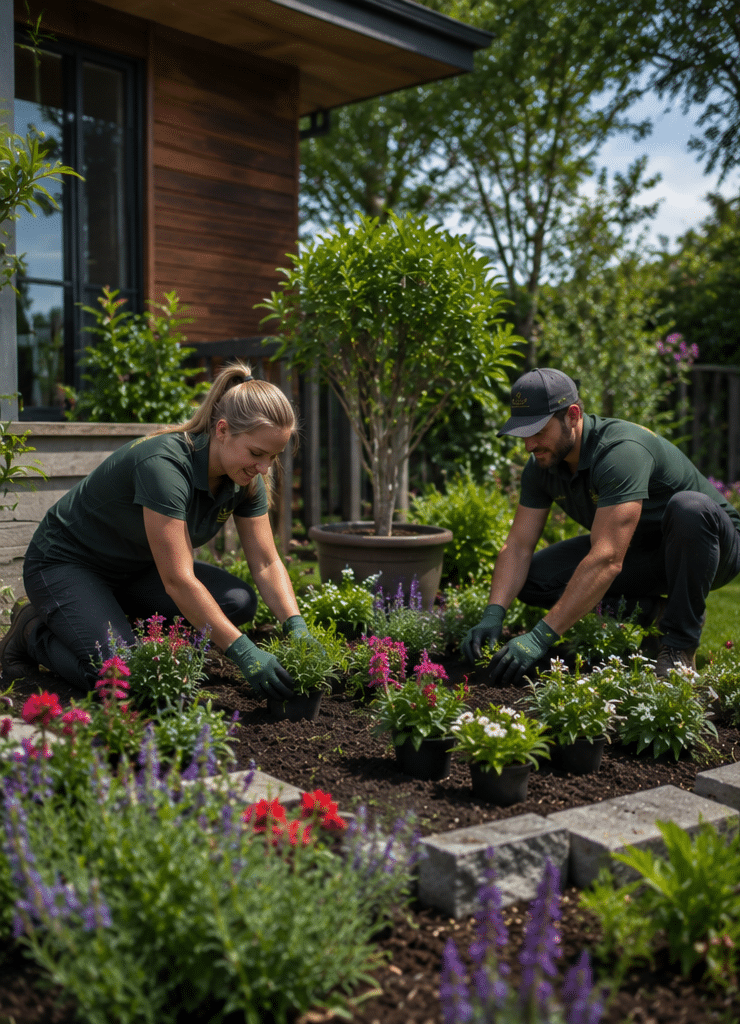
Professional gardening services can be simple or comprehensive. Some customers only need lawn mowing and edge trimming. Others want regular garden maintenance, planting, pruning, hedging, seasonal clean-ups, and green waste removal.
Lawn mowing and edging
Lawn mowing is one of the most requested gardening services in New Zealand. A professional gardener should consider the lawn type, growth rate, weather, and desired finish. Cutting too short may stress the grass, especially during dry weather. However, leaving it too long can make mowing harder and encourage uneven growth.
Edging is also important. It creates clean lines along paths, driveways, garden beds, and fences. As a result, even a basic lawn service can make a property look noticeably better.
Weeding and weed control
Weeding is often more complex than it looks. Some weeds pull out easily after rain, while others regrow from roots, bulbs, or fragments. Therefore, a good gardener should identify the weed type before choosing a control method.
Manual weeding is useful around delicate plants and vegetable gardens. However, larger areas may need mulching, repeated control, or careful herbicide use where appropriate. Any chemical approach should be explained clearly and used responsibly.
Pruning and trimming
Pruning keeps plants healthy, shaped, and productive. It can remove dead, diseased, or crossing branches. It can also improve airflow and light. However, timing matters. Some plants respond better after flowering, while others need pruning during dormancy.
From my experience, poor pruning is one of the most common garden maintenance problems. Cutting too much at once can shock a plant. Cutting in the wrong place can create weak regrowth. Therefore, professional gardening services should treat pruning as skilled plant care, not just cutting back growth.
Hedge trimming
Hedges give privacy, structure, and shelter. However, they need consistent trimming to stay dense and manageable. If they are ignored for too long, they can become woody, uneven, and expensive to restore.
A gardener should check access, height, growth type, nesting activity, and waste volume before trimming. In addition, tall hedges may require specialised tools or extra safety planning.
Planting and garden bed care
Planting may include shrubs, natives, flowers, hedging plants, groundcovers, herbs, or seasonal colour. A good gardener should consider sun exposure, wind, soil moisture, mature plant size, and maintenance needs.
The New Zealand Plant Conservation Network provides information about gardening with native plants and planting to support wildlife. For many homeowners, native planting can be a practical way to create a lower-maintenance garden that suits local conditions.
Mulching and soil improvement
Mulch helps reduce weed growth, protect soil, and retain moisture. It can also give garden beds a tidy finish. Organic mulches break down over time and can improve soil structure.
However, mulch should not be piled against plant stems or tree trunks. That can trap moisture and encourage rot. Therefore, careful application matters.
Green waste removal
Many gardening services include green waste removal. This may involve taking away lawn clippings, branches, hedge trimmings, weeds, and seasonal debris. However, some providers charge extra, especially for large volumes.
Responsible disposal is important. Some weeds, seeds, and diseased material should not be spread around. Therefore, ask how green waste will be handled before work starts.
Seasonal Gardening Services in New Zealand
New Zealand’s seasons strongly affect garden tasks. Although the climate varies by region, the following seasonal guide is useful for many homes.
Spring gardening services
Spring is a major growth season. Lawns often need more frequent mowing. Weeds become active. Plants put on fresh growth, and garden beds can quickly look crowded.
Common spring tasks include:
- Lawn mowing and edge trimming
- Weed removal before weeds seed
- Light pruning after winter damage
- Soil preparation and planting
- Mulching before summer heat
- Fertilising suitable plants
- Garden clean-up after wind and rain
Spring is also a good time to review irrigation, drainage, and plant health. As a result, many homeowners book a larger garden reset before moving into regular maintenance.
Summer gardening services
Summer care often focuses on managing growth, heat, watering, and outdoor presentation. Lawns may need regular mowing, but mowing height should be adjusted during dry periods.
Water use matters in many parts of New Zealand. In Auckland, Watercare explains water restrictions and decision factors, including dam storage, expected demand, weather outlook, and the likelihood of returning to restrictions. Therefore, gardeners should be mindful of local water guidance.
Summer gardening services may include hedge trimming, deadheading, weeding, watering advice, mulching, pest checks, and pre-holiday tidy-ups.
Autumn gardening services
Autumn is ideal for preparation. Soil is often still warm, and rainfall may increase. This makes it a useful time for planting, lawn repair, mulching, composting, and pruning selected plants.
Fallen leaves can be useful as compost or mulch. However, thick layers on lawns can block light and encourage damp patches. Therefore, regular clean-up helps keep lawns healthier.
Winter gardening services
Winter growth is usually slower. However, garden maintenance should not stop completely. Winter is useful for structural pruning, clean-ups, drainage checks, tool maintenance, and preparing beds for spring.
In colder areas, frost can affect plant choice and timing. In wetter regions, drainage and moss may become more noticeable. Therefore, winter gardening services often focus on prevention and preparation.
DIY Gardening vs Professional Gardening Services
Some homeowners enjoy gardening and only need occasional support. Others prefer a professional service because they lack time, tools, confidence, or physical capacity. Both options can work, depending on the property.
| Option | Best For | Advantages | Limitations |
| DIY gardening | Small gardens, hobby gardeners, flexible schedules | Lower labour cost, personal satisfaction, full control | Requires time, tools, knowledge, and consistency |
| Occasional gardening services | Seasonal clean-ups, rental inspections, one-off overgrowth | Fast reset, useful before events or property photos | May not prevent recurring issues |
| Regular gardening services | Busy households, rentals, larger sections, commercial sites | Consistent care, better planning, fewer major clean-ups | Ongoing budget required |
| Specialist gardening support | Pruning, hedges, planting design, plant health issues | Better technical advice and safer work | May cost more than basic maintenance |
The right choice depends on your time, budget, garden size, and desired finish. However, if a garden is already overgrown, a professional reset is often more efficient than trying to fix everything over several weekends.
How to Choose the Right Gardening Services
Choosing a gardener should involve more than comparing hourly rates. A low price can be attractive, but the best value usually comes from reliable communication, safe work, proper tools, and clear scope.
Check the service scope
Ask what is included. For example, does the quote include mowing, edging, weeding, pruning, green waste removal, and travel? Also ask what is excluded.
This prevents confusion. It also helps you compare quotes fairly.
Ask about local experience
Gardening services in New Zealand should reflect local conditions. A gardener working in Auckland may regularly deal with fast subtropical growth and clay soils. In Wellington, wind exposure may shape plant choices. In Canterbury, summer dryness and winter frost can change maintenance plans.
Local experience helps because it reduces guesswork.
Look for clear communication
A good gardener should explain what needs doing, why it matters, and how often it should be done. They should also flag risks, such as unstable slopes, hidden irrigation lines, wasp nests, unsafe trees, or access problems.
Clear communication protects both the customer and the provider.
Ask about safety and insurance
Gardening can involve sharp tools, ladders, machinery, heavy lifting, uneven ground, and chemical products. WorkSafe New Zealand is the country’s primary workplace health and safety regulator. Although a homeowner does not need to become a safety expert, it is sensible to choose providers who take safe work seriously.
Review before-and-after standards
Photos, reviews, and references can help you understand the provider’s finish. However, remember that gardens differ. A realistic result depends on the starting condition, soil, weather, plant health, and budget.
Numbered Checklist: How to Prepare for Your First Visit
Before booking gardening services, use this checklist to make the first visit smoother.
- List your priorities. Decide whether you need mowing, weeding, pruning, hedging, planting, or a full clean-up.
- Take photos of key areas. Photos help the gardener understand the scope before arrival.
- Mention access details. Include gates, slopes, steps, parking, pets, and locked areas.
- Identify green waste expectations. Confirm whether waste should be removed, left onsite, composted, or placed in a bin.
- Point out fragile plants. Mark plants you want protected, moved, or avoided.
- Discuss water access. Tell the gardener where taps are and whether any restrictions apply locally.
- Ask for a written scope. A simple written summary helps avoid misunderstandings.
- Agree on visit frequency. Decide whether the work is one-off, fortnightly, monthly, or seasonal.
- Clarify pricing. Ask whether the job is hourly, fixed price, or quoted after inspection.
- Plan future care. Ask what should happen next so the garden stays manageable.
This checklist helps both sides. As a result, the gardener can work more efficiently, and you are more likely to get the outcome you expect.
Native Plants, Weeds, Water Use, and Biosecurity
Gardening services in New Zealand should consider environmental responsibility. This does not mean every garden must be fully native or chemical-free. However, it does mean choices should be thoughtful.
Native planting
Native plants can support local biodiversity and often suit New Zealand conditions when matched correctly to the site. However, “native” does not automatically mean “no maintenance”. Young plants still need watering, weed control, mulching, and formative pruning.
Examples of commonly discussed native garden plants include kōwhai, mānuka, kānuka, harakeke, hebes, coprosma, and grasses. However, plant choice should depend on region, soil, sun, wind, and space.
Weed awareness
Weeds are not just untidy. Some are invasive and can spread beyond the property. Therefore, gardeners should know when a weed requires careful disposal or repeated control.
MPI advises gardeners to watch for unfamiliar pests and diseases and report anything unusual. This is a practical form of biosecurity awareness, not legal advice.
Water-wise gardening
Water-wise gardening is becoming more important. Mulch, soil improvement, correct plant selection, and watering at suitable times can reduce stress on plants.
In Auckland, Watercare has previously encouraged residents to be mindful of outdoor water use during dry weather. Therefore, professional gardening services should not rely only on frequent watering. They should also improve soil coverage, reduce evaporation, and recommend plants that fit the site.
Green waste responsibility
Green waste can often be composted, reused, or processed. However, diseased plants and invasive weeds need care. A professional gardener should understand that disposal choices can affect future weed spread.
Gardening Services for Different Property Types
Different properties need different service plans. Therefore, it helps to match the service to the site.
Residential homes
For family homes, gardening services usually focus on presentation, safety, and usability. Lawns, paths, decks, garden beds, and outdoor entertaining areas often need regular care.
A good plan may include fortnightly mowing during peak growth and monthly garden maintenance. However, the frequency should change with the season.
Rental properties
For rentals, gardening services can reduce disputes and help keep the property presentable. Landlords and property managers may prefer scheduled maintenance because it creates consistency.
However, scope should be documented clearly. For example, tenants may handle light mowing while the landlord arranges hedge trimming or larger pruning. This is an administrative arrangement, not legal advice.
Commercial and small business sites
Business properties need tidy outdoor areas because first impressions matter. Gardening services may include lawn mowing, entrance planting, weed control, rubbish pick-up around garden beds, and seasonal colour.
Safety is also important. Overgrown plants should not block signage, lighting, pathways, or visibility.
Body corporate and shared spaces
Shared outdoor spaces need consistent standards. Therefore, gardening services should be scheduled, documented, and reviewed. Clear reporting is helpful because multiple people may be involved in decisions.
Lifestyle blocks
Lifestyle blocks often need broader maintenance. Tasks may include ride-on mowing, shelterbelt trimming, weed control, orchard care, driveway edges, and larger green waste management. These jobs can require more equipment and planning than a small urban garden.
Costs, Quotes, and Value
Gardening services in New Zealand vary in cost because gardens vary widely. A small, flat lawn is not the same as a steep, overgrown section with hedges and heavy green waste.
Common pricing factors include:
- Garden size
- Lawn area
- Slope and access
- Height and density of growth
- Green waste volume
- Tool requirements
- Travel time
- Frequency of service
- Specialist pruning or hedge work
- Weather and site conditions
As an estimate, basic mowing may be cheaper than full garden maintenance. However, one-off overgrown garden clean-ups usually cost more because they require more labour, waste handling, and time.
The fairest quote is usually based on photos or an onsite visit. Therefore, avoid assuming that one hourly rate tells the whole story.
What good value looks like
Good value does not always mean the lowest price. Instead, it means the work is done properly, safely, and consistently.
Look for:
- Clear arrival windows
- Written scope
- Practical advice
- Respect for plants and property
- Transparent pricing
- Reliable clean-up
- Responsible waste handling
- Seasonal recommendations
From my experience, regular maintenance often saves money over time because it prevents the garden from becoming a major clean-up project.
Gardening Services and Long-Term Garden Health
A beautiful garden is built through repeated small actions. Therefore, gardening services should not only focus on today’s tidy-up. They should also help the garden become easier to manage.
Soil care
Healthy soil supports stronger plants. Compost, mulch, aeration, and organic matter can improve structure over time. However, the right method depends on the soil type.
Clay soils may need structure improvement and drainage support. Sandy soils may need organic matter to hold moisture. Compacted lawns may need aeration.
Plant spacing
Many gardens become crowded because plants were placed too close together. At first, this creates a full look. However, over time, crowded plants compete for light, water, and airflow.
A gardener can recommend thinning, transplanting, or pruning to improve plant health.
Preventive maintenance
Preventive maintenance is usually easier than rescue work. For example, regular weeding prevents seed spread. Regular hedge trimming prevents heavy reshaping. Seasonal mulching reduces summer stress.
Therefore, professional gardening services are often most effective when used before a garden becomes overwhelming.
People Also Ask
1. What do gardening services include in New Zealand?
Gardening services usually include lawn mowing, weeding, pruning, hedge trimming, planting, mulching, garden clean-ups, and green waste removal. Some providers also offer seasonal care plans, rental property maintenance, and advice on native plants.
2. How often should I book gardening services?
Most New Zealand homes benefit from fortnightly or monthly gardening services, depending on the season and garden size. During spring and early summer, faster growth may require more frequent visits.
3. Are gardening services worth it for a small garden?
Yes, they can be worth it if you lack time, tools, or confidence. Even small gardens need consistent weeding, pruning, mowing, and seasonal care to stay tidy and healthy.
4. Can a gardener help with native plants?
Yes, many gardeners can help choose, plant, and maintain native species. However, plant selection should match the region, sun, wind, soil, and available space.
5. Do gardening services remove green waste?
Many providers remove green waste, but it is not always included in the base price. Always confirm this before work starts, especially for hedge trimming or major clean-ups.
Expert Q&A
1. What is the difference between gardening services and landscaping?
Gardening services usually focus on ongoing care, such as mowing, weeding, pruning, trimming, planting, and clean-ups. Landscaping is more about designing or building outdoor spaces, such as paths, retaining areas, lawns, decks, planting layouts, and structural features.
2. What should I ask before hiring a gardener?
Ask what is included, how pricing works, whether green waste removal is included, what experience they have with similar gardens, and how they manage safety. Also ask whether they provide one-off visits, regular maintenance, or seasonal plans.
3. Can gardening services improve kerb appeal before selling a home?
Yes. A tidy lawn, trimmed hedges, weed-free beds, clean edges, and fresh mulch can make a property look better in photos and inspections. However, avoid last-minute over-pruning because it can make plants look bare.
4. How can I reduce garden maintenance long term?
Choose plants suited to your site, mulch garden beds, control weeds early, avoid overcrowding, and schedule regular pruning. In addition, consider hardy native plants where appropriate because they can suit local conditions when selected well.
5. Should I book one-off or regular gardening services?
Book a one-off service if your garden needs a reset, event preparation, or seasonal clean-up. Choose regular gardening services if you want consistent results, fewer weeds, healthier plants, and less weekend work.
Conclusion
Gardening services give New Zealand homeowners and property managers a practical way to keep outdoor spaces healthy, tidy, and enjoyable. They can include mowing, weeding, pruning, hedge trimming, planting, mulching, green waste removal, and seasonal care. However, the best results come from matching the service to the garden, the region, and the property owner’s goals.
A good gardener does more than cut and clear. They understand timing, plant health, soil, water use, safety, and long-term maintenance. They also communicate clearly, explain the “why” behind each task, and help prevent small issues from becoming larger problems.
For reliable support with lawn and garden care, explore professional outdoor maintenance support for New Zealand properties and choose a service plan that keeps your garden looking cared for all year round.