
Yard Maintenance is one of the simplest ways to keep a New Zealand property looking cared for, safe, and enjoyable throughout the year. From my experience working with home-service content and local property care topics, most Kiwi homeowners do not want complicated gardening theory. They want clear guidance on what needs doing, when to do it, and how to avoid common problems such as overgrown lawns, weeds, slippery paths, blocked drains, and messy green waste.
A well-maintained yard also supports day-to-day living. It gives children and pets safer outdoor space. It improves street appeal. It helps tenants, landlords, homeowners, and property managers stay ahead of small issues before they become expensive. However, New Zealand conditions vary by region. Auckland’s humid growth, Wellington’s wind, Canterbury’s dry spells, and coastal salt exposure can all change how often a yard needs attention.
This guide explains Yard Maintenance in practical New Zealand terms, with simple steps, seasonal advice, comparison tables, checklists, and expert answers for people searching online for reliable help.
Table of Contents
- What Is Yard Maintenance?
- Why Yard Maintenance Matters in New Zealand
- What Yard Maintenance Usually Includes
- Yard Maintenance vs Garden Maintenance vs Lawn Care
- Seasonal Yard Maintenance in New Zealand
- Lawn Mowing and Grass Care
- Weed Control and Biosecurity Awareness
- Hedge, Shrub, and Tree Tidying
- Paths, Edges, Driveways, and Outdoor Safety
- Green Waste and Responsible Disposal
- DIY vs Professional Yard Maintenance
- Yard Maintenance Checklist for New Zealand Homes
- How Often Should Yard Maintenance Be Done?
- How to Choose a Yard Maintenance Provider
- People Also Ask
- Expert Q&A
- Conclusion
What Is Yard Maintenance?
Yard Maintenance means the regular care of outdoor areas around a property, including lawns, edges, weeds, hedges, paths, garden waste, and general tidying. In New Zealand, good Yard Maintenance helps keep sections safe, usable, healthy, and visually tidy while reducing overgrowth, pest hiding spots, and avoidable property issues.
Why Yard Maintenance Matters in New Zealand
Yard Maintenance is not only about appearance. It is also about property function. When lawns become too long, moisture can sit close to the ground. As a result, outdoor areas may become harder to use, especially during wet seasons.
In many New Zealand suburbs, yards are compact but highly visible. A tidy front section can make a home feel more welcoming. Meanwhile, a neglected backyard can quickly become difficult to manage. Because grass, weeds, and hedges can grow fast in mild, wet conditions, small delays often create larger jobs later.
There is also an environmental side. New Zealand has sensitive native ecosystems, and invasive weeds can spread from private gardens into reserves, parks, and waterways. The Department of Conservation notes that weeds can smother native plants and transform natural landscapes, which is why responsible weed control matters beyond a single property.
For homeowners, Yard Maintenance can help with:
- Keeping lawns usable for family, pets, and visitors
- Improving kerb appeal before selling or renting
- Reducing trip hazards from overgrown edges
- Preventing blocked drains from leaves and debris
- Managing weeds before they seed and spread
- Keeping outdoor areas easier to clean after rain
For landlords and property managers, it also helps reduce disputes about outdoor presentation. However, tenancy-related responsibilities should always be checked through official tenancy guidance or reviewed by a qualified property professional. This article provides general administrative information, not legal advice.
What Yard Maintenance Usually Includes
Yard Maintenance can be broad, but most services focus on practical outdoor tasks. These are the jobs that keep a property tidy from week to week or month to month.
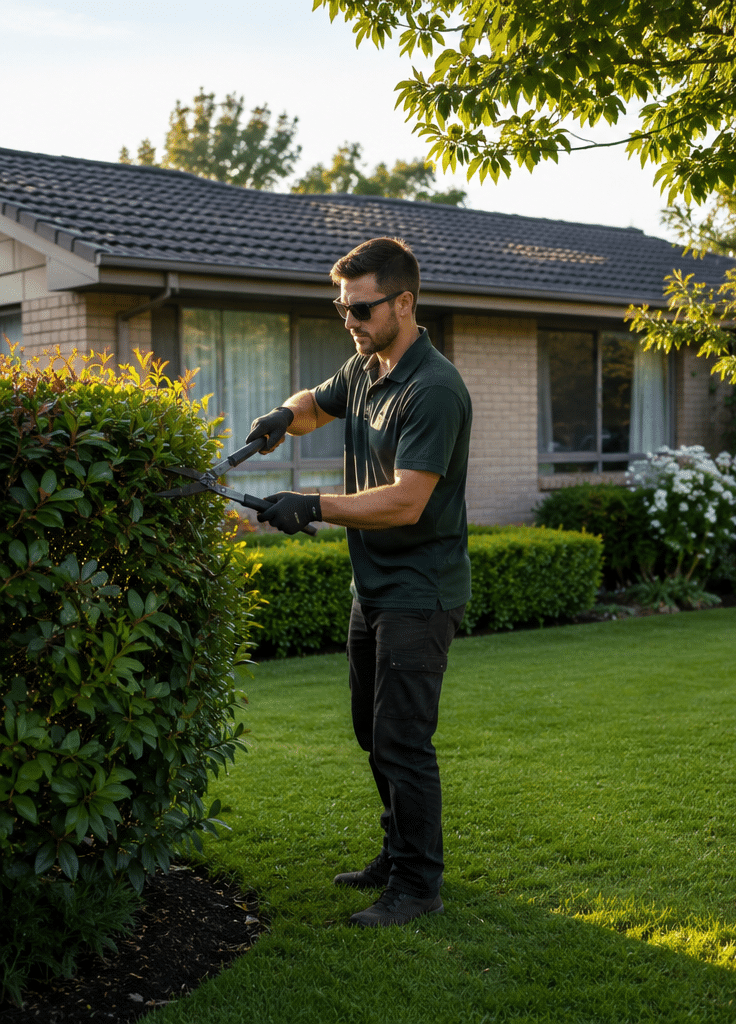
Common Yard Maintenance tasks include lawn mowing, edging, weed removal, hedge trimming, pruning small shrubs, clearing leaves, removing green waste, sweeping paths, trimming around fences, and tidying garden beds. Some providers may also offer water blasting, mulching, planting, fertilising, or seasonal clean-ups.
From my experience, the best results come when a yard is maintained on a routine rather than only when it becomes overgrown. Regular visits are usually faster, cleaner, and more cost-effective than major one-off clean-ups.
Core Yard Maintenance Tasks
| Task | Why It Matters | Typical Frequency in NZ |
| Lawn mowing | Keeps grass healthy, tidy, and usable | Weekly to monthly, depending on season |
| Edging | Creates clean borders near paths and fences | Every mow or every second mow |
| Weed control | Stops weeds spreading and competing with plants | Monthly or as needed |
| Hedge trimming | Keeps growth controlled and improves appearance | Every 4 to 12 weeks |
| Leaf clearing | Reduces slippery surfaces and blocked drains | Autumn and after storms |
| Green waste removal | Keeps the section clear and usable | After each major tidy-up |
| Path and driveway tidying | Improves safety and kerb appeal | Monthly or seasonally |
Yard Maintenance vs Garden Maintenance vs Lawn Care
People often use these terms in similar ways. However, they are not exactly the same.
Yard Maintenance is the broadest term. It covers the whole outdoor area, including lawns, paths, edges, weeds, hedges, and general clean-up. Garden maintenance usually focuses more on planted areas, soil, flowers, shrubs, and garden beds. Lawn care focuses mainly on grass health, mowing, feeding, watering, and repair.
Understanding the difference helps when booking a service. For example, if your main issue is overgrown grass and messy edges, you need Yard Maintenance or lawn mowing. If your roses, natives, or vegetable beds need expert care, you may need a gardener with plant knowledge.
| Service Type | Main Focus | Best For |
| Yard Maintenance | Whole outdoor tidiness | Busy homeowners, rentals, general clean-ups |
| Garden maintenance | Plants, beds, shrubs, soil | Established gardens and planting areas |
| Lawn care | Grass health and presentation | Patchy lawns, mowing, feeding, lawn recovery |
| Landscaping | Design and structural changes | New outdoor layouts, retaining, paving, planting |
In short, Yard Maintenance keeps the section manageable. Garden maintenance keeps planted spaces healthy. Landscaping changes the design or structure of the outdoor area.
Seasonal Yard Maintenance in New Zealand
New Zealand’s seasons strongly affect outdoor work. Although the climate differs between regions, most properties follow a similar pattern.
Spring is the main growth season. Grass grows quickly, weeds appear, and hedges often need shaping. Therefore, Yard Maintenance should become more frequent during this period.
Summer can bring dry patches in some regions. However, growth may continue strongly where there is rain or irrigation. During summer, mowing height matters because cutting too short can stress the lawn.
Autumn brings leaves, cooler weather, and slower growth. It is a good time to clear gutters, tidy garden beds, remove dead material, and prepare outdoor spaces for winter.
Winter growth is slower, but Yard Maintenance still matters. Wet paths can become slippery. Fallen branches, moss, and leaves can create safety issues. Also, some yards become harder to recover in spring if winter neglect is severe.
Seasonal Yard Maintenance Guide
| Season | Main Yard Tasks | Practical Tip |
| Spring | Mowing, edging, weed control, hedge trimming | Book regular visits before growth gets heavy |
| Summer | Mowing, watering awareness, trimming, green waste | Avoid scalping lawns during hot, dry periods |
| Autumn | Leaf clearing, pruning, drain checks, clean-ups | Remove debris before it blocks drainage |
| Winter | Safety checks, light mowing, path clearing | Focus on slips, moss, and storm debris |
Lawn Mowing and Grass Care
Lawn mowing is often the centre of Yard Maintenance because grass covers the largest visible area of many New Zealand properties. However, mowing is not just cutting grass shorter. Done properly, it supports healthier growth.
A common mistake is cutting grass too low. This can weaken the lawn, expose soil, and encourage weeds. Instead, lawns usually perform better when cut regularly without removing too much blade at once.
From my experience, many residential lawns look best when they are mowed before they become obviously overgrown. This keeps the job cleaner and reduces clumps of wet grass. In damp regions, heavy clippings can sit on the lawn and affect airflow.
Good lawn-focused Yard Maintenance includes:
- Checking the grass height before mowing
- Avoiding mowing when the lawn is extremely wet
- Keeping mower blades sharp
- Trimming edges after mowing
- Clearing clippings from paths and driveways
- Adjusting mowing frequency by season
- Watching for bare patches, moss, and drainage issues
For small suburban lawns, a regular mowing schedule can make a major difference. For larger lifestyle sections, the plan may need to include ride-on mowing, paddock-style trimming, or staged clean-ups.
Weed Control and Biosecurity Awareness
Weeds are one of the most common Yard Maintenance problems in New Zealand. They grow in lawns, cracks, garden beds, fence lines, and around outdoor structures. If left too long, they can seed, spread, and become much harder to control.
However, weed control should be handled responsibly. Some weeds are minor nuisances. Others can become invasive and affect local biodiversity. The Ministry for Primary Industries explains that gardeners have a role in protecting New Zealand from biosecurity threats, including weeds and pests that can affect the environment, economy, and way of life. You can read more through the Ministry for Primary Industries gardening and biosecurity guidance.
The Department of Conservation also advises people not to dump garden waste in green belt areas because this can spread harmful weeds. Its weed control guidance notes that mulching and planting can help reduce weed regrowth after clearing. See the Department of Conservation weed control methods for practical environmental guidance.
Common Weed Control Methods
Manual weeding is useful for small areas, garden beds, and weeds with shallow roots. It is simple, low-cost, and avoids chemical use. However, roots must be removed properly where possible.
Mulching helps suppress weed growth by blocking light. It also supports soil moisture. This is useful around shrubs, trees, and garden beds.
Careful herbicide use may be suitable for some areas, but it should be done according to product instructions and local conditions. Avoid spray drift near edible plants, waterways, pets, and sensitive plantings.
Regular trimming controls visible growth around fences and edges. However, trimming alone may not remove the root system.
The best approach often combines methods. For example, remove large weeds, mulch the cleared area, then maintain it regularly so new weeds cannot take over.
Hedge, Shrub, and Tree Tidying
Hedges and shrubs shape the look of a yard. However, they can quickly make a property feel untidy when left alone. Overgrown hedges may block windows, paths, sunlight, or views. They can also make narrow side areas harder to access.
Regular trimming keeps growth controlled. It also reduces the amount of green waste produced at each visit. For many homes, light trimming every few weeks during active growth is easier than heavy cutting once or twice a year.
Small-tree tidying may include removing low branches, clearing dead material, or trimming minor growth. However, larger trees need trained arborists. If a tree is near power lines, structures, roads, or boundaries, homeowners should use qualified advice.
Yard Maintenance providers can often handle basic trimming. However, they may not be suitable for high, dangerous, or technical tree work. This distinction matters because safety should come first.
Paths, Edges, Driveways, and Outdoor Safety
A tidy yard is not only green. It also includes clean access areas. Paths, steps, decks, and driveways need attention because they affect safety and everyday use.
In wet New Zealand conditions, moss and algae can make surfaces slippery. Leaves can hide uneven ground or block drains. Overgrown edges can narrow paths and make outdoor spaces look neglected.
Good Yard Maintenance should include a simple safety scan. This does not need to be complicated. It means looking for obvious issues during regular outdoor care.
Check for:
- Slippery paths or steps
- Overhanging branches near walkways
- Long grass hiding holes or debris
- Loose garden edging
- Leaves blocking drains
- Weeds lifting pavers
- Grass growing over concrete edges
- Sharp branches at eye level
These checks are especially useful for rental properties, homes with older residents, and properties visited by clients or customers.
Green Waste and Responsible Disposal
Green waste is a major part of Yard Maintenance. It includes grass clippings, branches, leaves, weeds, plants, and small pieces of untreated wood. If it is not managed properly, it can create mess, odour, pests, and regrowth.
In Auckland, council waste guidance states that garden waste should not go into standard rubbish or recycling kerbside bins and can be taken to a transfer station or collected by a private garden waste collector. The guidance identifies garden waste as grass clippings, branches, weeds, plants, and wood.
Responsible options may include:
- Composting suitable material at home
- Mulching leaves and plant matter
- Using a green waste collection bag or bin
- Taking waste to an approved transfer station
- Asking your Yard Maintenance provider to remove it
- Separating invasive weeds from compostable material
Never dump garden waste in reserves, parks, roadsides, streams, or bush areas. Although it may seem natural, dumped waste can spread weeds and damage local ecosystems.
DIY vs Professional Yard Maintenance
Many people can handle basic Yard Maintenance themselves. However, professional help becomes valuable when time, tools, safety, or consistency are an issue.
DIY works well for small, flat lawns and simple gardens. It can also be satisfying. However, it requires equipment, storage, fuel or charging, maintenance, and time. If a yard is steep, large, overgrown, or full of hedges, DIY can become difficult.
Professional Yard Maintenance is useful for busy households, landlords, elderly homeowners, commercial sites, and anyone who wants predictable results. A good provider brings tools, experience, and a routine.
| Option | Advantages | Limitations | Best For |
| DIY Yard Maintenance | Lower direct cost, full control, flexible timing | Requires time, tools, disposal, and physical effort | Small yards and confident homeowners |
| Professional Yard Maintenance | Consistent finish, efficient work, green waste help | Higher cost than DIY, booking needed | Busy homes, rentals, larger sections |
| One-off clean-up | Fast reset for overgrown yards | Yard may decline again without routine | Move-outs, sale prep, neglected sections |
| Scheduled service | Keeps growth under control | Needs ongoing budget | Long-term property presentation |
The best choice depends on the property. For example, a small townhouse may only need occasional mowing and weeding. A family home with hedges, lawns, and garden beds may need fortnightly or monthly care.
Yard Maintenance Checklist for New Zealand Homes
Use this numbered checklist as a simple onboarding process before starting regular Yard Maintenance or booking a provider.
- Walk around the whole property
Start at the front boundary and move around the section. Look at lawns, edges, fences, paths, drains, hedges, and garden beds. - List the urgent issues first
Note anything unsafe, blocked, slippery, overgrown, or hard to access. These jobs should come before cosmetic work. - Separate regular tasks from one-off tasks
Lawn mowing and edging may be regular. Tree removal, major hedge reduction, or rubbish clearing may be one-off. - Check green waste needs
Decide whether clippings and branches will be composted, binned, taken away, or removed by the provider. - Identify weeds and problem plants
If you are unsure whether a weed is invasive, check official sources or ask a knowledgeable professional. - Set a realistic schedule
During spring and early summer, many yards need more frequent care. During winter, the focus may shift to safety and debris. - Confirm access
Make sure gates, pets, locks, water sources, and parking are organised before service days. - Agree on the finish level
A basic mow is different from a full Yard Maintenance visit. Be clear about edging, weeding, trimming, and clean-up. - Review after the first visit
Check whether the service matched expectations. Then adjust frequency or task list if needed. - Keep the routine simple
A manageable plan is easier to maintain than a perfect plan that is too expensive or time-consuming.
How Often Should Yard Maintenance Be Done?
The right Yard Maintenance schedule depends on property size, season, grass type, rainfall, shade, and personal standards. There is no single perfect answer.
As a general estimate, many New Zealand homes need lawn mowing every 1 to 3 weeks during strong growth. In slower seasons, mowing may reduce to every 3 to 6 weeks. Hedges may need trimming every 4 to 12 weeks, depending on the plant and desired finish.
A tidy rental or front-facing property may need more frequent visits. A low-maintenance backyard may need less.
Suggested Yard Maintenance Schedule
| Property Type | Suggested Schedule | Notes |
| Small townhouse yard | Every 3 to 6 weeks | Focus on edges, weeds, and small lawns |
| Standard family home | Every 2 to 4 weeks | Adjust during spring and summer |
| Rental property | Every 2 to 6 weeks | Depends on tenancy agreement and expectations |
| Large section | Weekly to monthly | May need staged work |
| Overgrown property | One-off clean-up, then routine | Reset first, then maintain |
These are estimates, not fixed rules. Local climate can change the timing. For example, a warm, wet period can quickly increase grass and weed growth.
How to Choose a Yard Maintenance Provider
Choosing the right Yard Maintenance provider can save time and frustration. The cheapest option is not always the best if the work is rushed, unreliable, or unclear.
Start by checking whether the provider understands your property type. A small residential lawn is different from a large lifestyle block. A tidy-up before selling is different from ongoing maintenance.
Ask what is included. Some services only mow. Others include edging, blowing, weed control, hedge trimming, and green waste removal. Also ask whether green waste removal is included in the price or charged separately.
A reliable provider should be clear about:
- Service areas
- Visit frequency
- Included tasks
- Green waste handling
- Weather delays
- Access requirements
- Pricing structure
- Safety limits for trees or steep areas
- Communication before and after work
For homeowners looking for local support, Yunisa’s New Zealand home and yard care services can help you explore practical property maintenance options for keeping outdoor spaces tidy and manageable.
Yard Maintenance for Rentals and Property Managers
Rental Yard Maintenance needs clear communication. Tenants, landlords, and property managers should understand who handles lawns, gardens, hedges, and larger outdoor jobs.
In general, routine outdoor tasks may be treated differently from major pruning, tree work, or structural landscaping. However, this can depend on the tenancy agreement and property setup. For this reason, any compliance or responsibility questions should be treated as administrative matters and checked through official tenancy information or a licensed property professional.
From a practical standpoint, rental yards benefit from simple maintenance plans. Clear instructions reduce confusion. Photos after service can also help property managers track presentation over time.
A rental Yard Maintenance plan may include:
- Regular mowing
- Basic edging
- Weed control around paths and fence lines
- Seasonal hedge trimming
- Leaf and debris clearing
- Green waste removal
- Before-and-after photo records
This approach keeps the property tidy without overcomplicating the arrangement.
Yard Maintenance for New Builds and Recently Renovated Homes
New builds often need a different approach. The lawn may be newly laid. Soil may be compacted. Drainage may still be settling. Also, new garden beds may need time to establish.
In these cases, Yard Maintenance should be gentle and consistent. Avoid cutting new lawns too short. Watch for pooling water. Keep weeds under control before they take hold in fresh soil.
Recently renovated homes may also have leftover dust, debris, or disturbed ground. Therefore, the first outdoor tidy-up should focus on clearing waste, defining edges, and making the property usable again.
Once the yard has settled, a routine schedule can begin.
Yard Maintenance for Older Properties
Older New Zealand properties often have established trees, mature hedges, uneven paths, and older drainage. This can make Yard Maintenance more complex.
The goal should be to improve safety and usability while preserving the character of the yard. For example, a mature hedge may only need careful shaping. A mossy path may need cleaning. A shaded lawn may need a different mowing height or more realistic expectations.
Older properties may also have hidden issues such as buried debris, old edging, uneven ground, or roots near paths. So, the first visit should include a careful inspection.
Sustainable Yard Maintenance Practices
Sustainable Yard Maintenance does not mean doing less. It means doing the right work in a responsible way.
Good practices include composting suitable green waste, mulching garden beds, avoiding unnecessary chemical use, planting suitable species, and preventing invasive weeds from spreading. It also means choosing maintenance routines that support soil health and reduce waste.
New Zealand’s National Pest Plant Accord helps prevent the sale and distribution of highly damaging pest plants. MPI explains that these pest plants can seriously affect the economy and environment if allowed to spread. The National Pest Plant Accord information from MPI is useful for understanding why some plants require extra care.
Sustainable choices can be simple:
- Mulch garden beds after weeding
- Compost clean grass clippings and leaves where suitable
- Avoid dumping green waste
- Choose plants suited to local conditions
- Keep weeds controlled before they seed
- Use water wisely during dry periods
- Maintain tools so cuts are cleaner and more efficient
These steps support a healthier yard and reduce avoidable waste.
People Also Ask
How much does Yard Maintenance cost in New Zealand?
Yard Maintenance costs vary by property size, task type, access, green waste removal, and how overgrown the section is. A small, regular lawn service usually costs less than a one-off clean-up with hedging and waste removal. Always ask for a clear quote that lists what is included.
What is included in a Yard Maintenance service?
A basic Yard Maintenance service may include mowing, edging, weeding, trimming, leaf clearing, and general tidying. More complete services may also include hedge trimming, green waste removal, mulching, and seasonal clean-ups. The exact inclusions depend on the provider.
How often should I book Yard Maintenance?
Many New Zealand homes benefit from Yard Maintenance every 2 to 4 weeks during active growth. However, small yards, shaded sections, or winter conditions may need less frequent care. In spring, faster growth may require more regular visits.
Is Yard Maintenance the same as landscaping?
No. Yard Maintenance keeps an existing outdoor area tidy and functional. Landscaping usually involves changing the design, layout, planting, paving, retaining, or structure of an outdoor space. Maintenance is ongoing, while landscaping is usually project-based.
Can Yard Maintenance help control weeds?
Yes, regular Yard Maintenance can reduce weeds by removing growth before it spreads, trimming edges, clearing garden beds, and applying mulch. However, serious invasive weeds may need specific control methods and responsible disposal.
Expert Q&A About Yard Maintenance
1. What is the most important Yard Maintenance task for kerb appeal?
The most important task is usually lawn mowing with clean edging. Even a simple yard can look well cared for when grass is even, paths are clear, and edges are sharp. After that, trimming hedges and removing weeds creates a stronger visual improvement.
2. Should grass clippings be removed or left on the lawn?
It depends on the lawn condition. Fine, dry clippings can sometimes break down and return nutrients to the soil. However, thick wet clumps should be removed because they can block light, trap moisture, and leave messy patches.
3. What should I do before a Yard Maintenance provider arrives?
Clear toys, hoses, pet waste, outdoor furniture, and loose objects from the lawn. Also unlock gates, secure pets, and explain any areas that need special care. This helps the provider work safely and efficiently.
4. When is the best time of year for a major yard clean-up?
Spring and autumn are often ideal. Spring prepares the yard for heavy growth and outdoor use. Autumn helps clear leaves, prune selected growth, and prepare paths and drains before wetter winter conditions.
5. How can I keep Yard Maintenance costs manageable?
Book regular maintenance before the yard becomes overgrown. Also choose a clear task list, manage green waste efficiently, and separate essential jobs from optional upgrades. A consistent routine is often easier and cheaper than repeated major clean-ups.
Conclusion
Yard Maintenance is a practical investment in the comfort, safety, and presentation of a New Zealand property. It covers more than mowing. It includes edges, weeds, hedges, paths, green waste, seasonal clean-ups, and regular checks that keep outdoor spaces usable.
The best approach is simple and consistent. Start with the urgent issues. Set a realistic schedule. Handle weeds and green waste responsibly. Then adjust the plan as the seasons change.
For homeowners, landlords, and property managers, a tidy yard creates a better first impression and reduces outdoor stress. With the right routine, Yard Maintenance becomes easier, cleaner, and more affordable over time.